
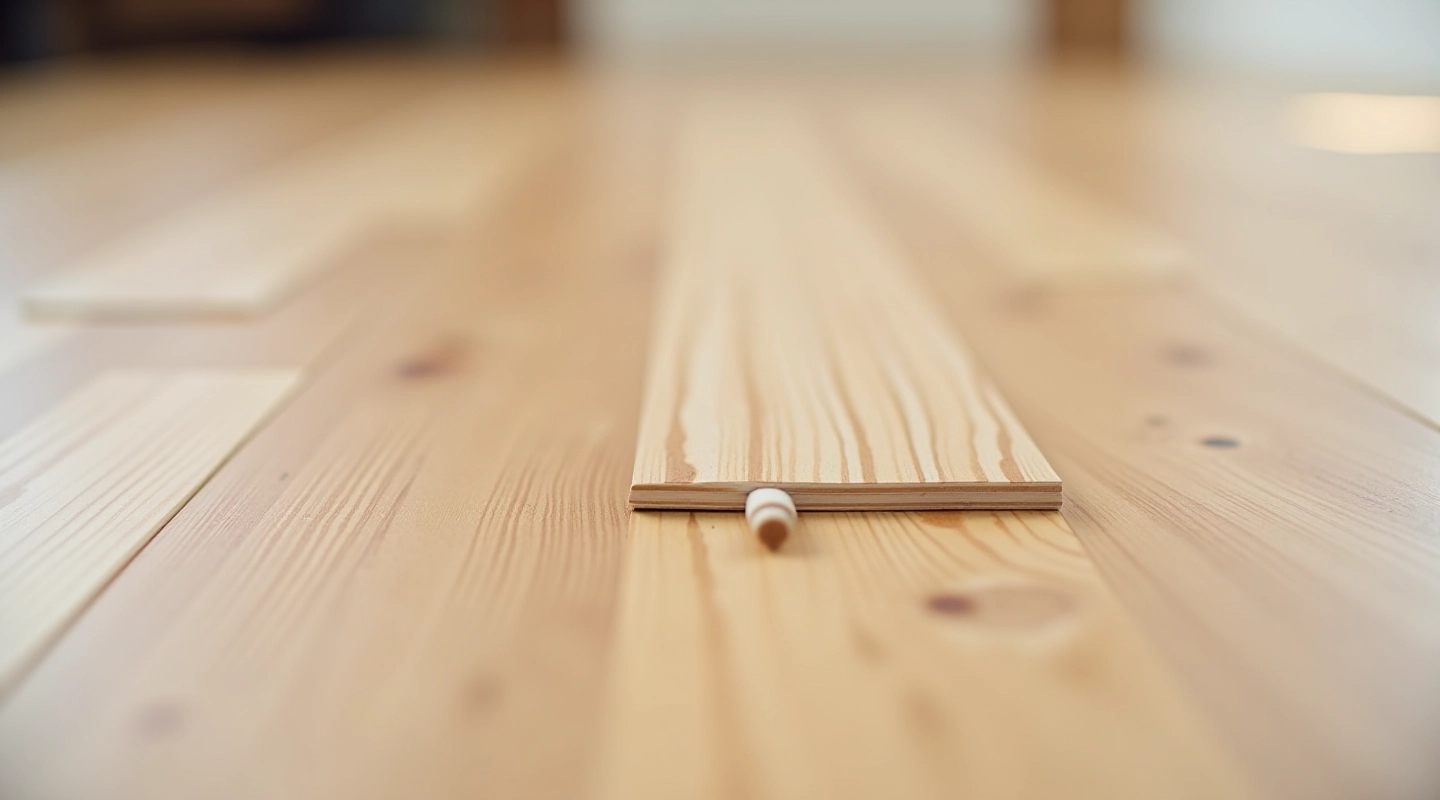
Understanding Click Lock Systems
How the locking mechanism works, what to look for when buying, and why it matters for installation.
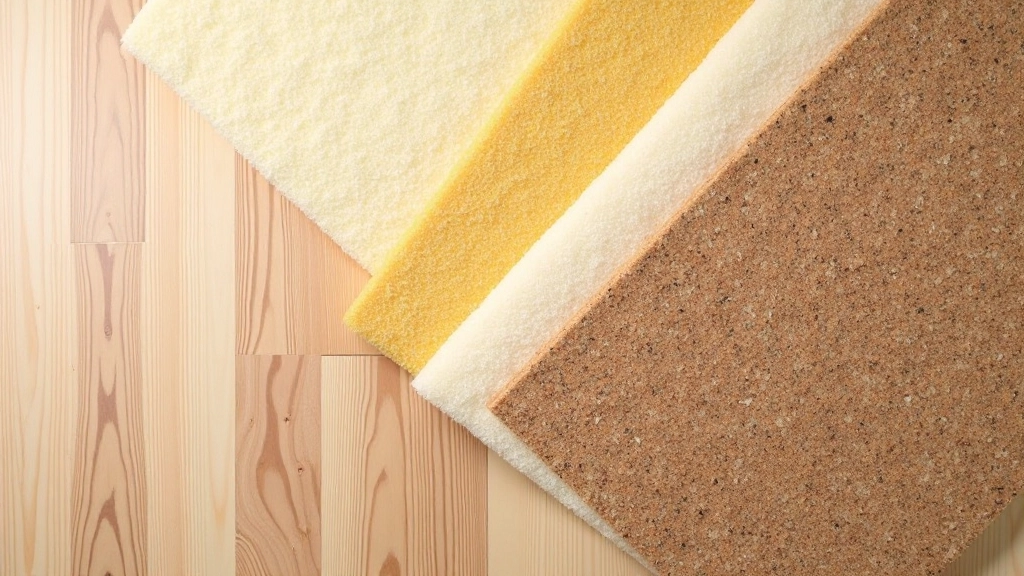
Foam vs. cork vs. felt — what each does, moisture protection requirements, and matching underlay to your floor type.
Underlay is honestly one of those things people skip over too quickly. You're thinking about the beautiful laminate planks, the color, the finish — and underlay just feels like a footnote. But it's not. The right underlay makes the difference between a floor that feels solid underfoot and one that creaks after six months. It's also what protects your investment from moisture, dust, and the inevitable spills.
We're going to walk you through the three main types, what they actually do, and how to pick the one that fits your situation. By the end, you'll know exactly what you need — and why.
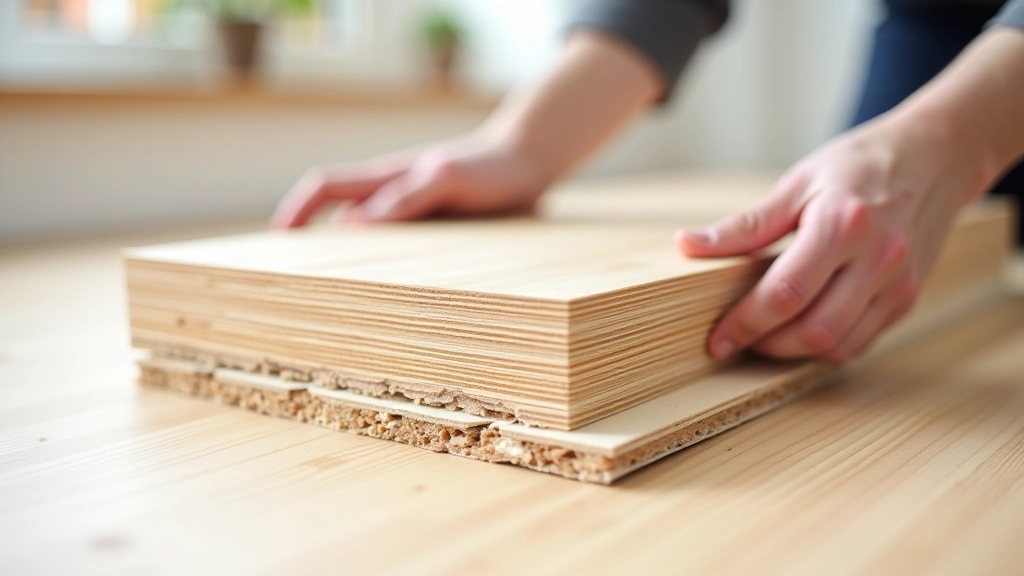
Think of underlay as a buffer. It sits between your subfloor and the laminate planks, doing three critical jobs at once. First, it dampens sound — footsteps, creaks, that hollow echo you get when you walk across a bare floor. Second, it provides cushioning so the floor feels more comfortable underfoot. Third, and this is the big one, it creates a moisture barrier.
Your subfloor isn't perfectly dry, even if it looks that way. There's always some ambient moisture moving up from below. Without underlay, that moisture can seep into the laminate planks from underneath, causing them to swell and warp. It's not pretty, and it's not cheap to fix.
Key fact: Laminate flooring needs underlay. Period. Without it, you'll void the warranty and you'll likely see damage within 12-24 months in most climates.
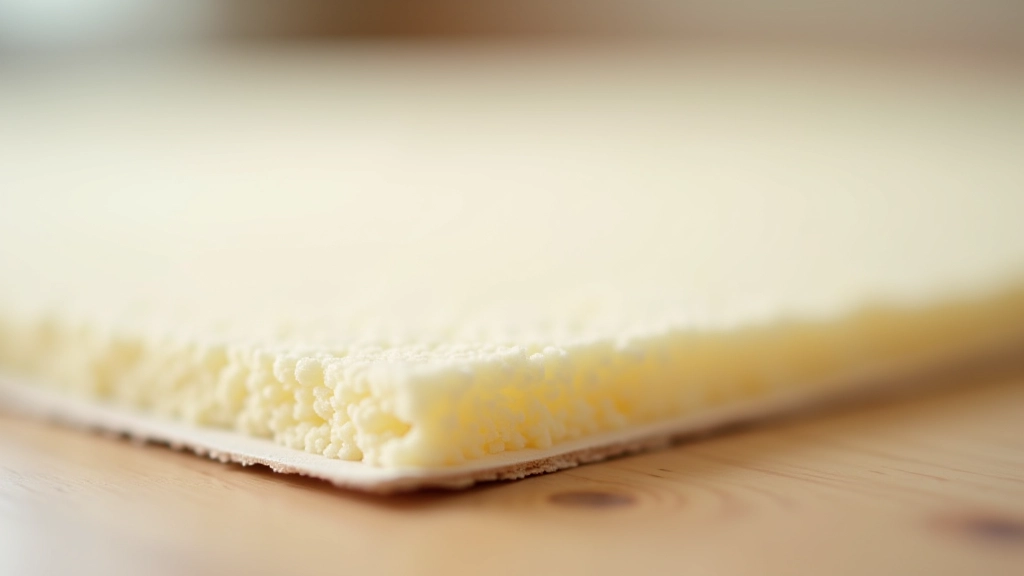
Foam is the most common choice for a reason. It's affordable, easy to install, and does the job well for most homes. Typical thickness ranges from 2mm to 3mm, which gives decent cushioning without adding too much height to your floor.
The downside? Foam doesn't have the best moisture barrier. It absorbs water rather than repelling it. That's fine in dry climates or above-grade installations, but in basements or areas with humidity, you'll want something better. Also, foam can compress over time, especially under heavy furniture or in high-traffic areas.
Cork is the luxury option. It's made from the bark of cork oak trees, and it's naturally resistant to moisture, mold, and dust mites. It's also incredibly comfortable — there's a reason high-end buildings use cork underlay. It absorbs sound better than foam, and it doesn't compress the way foam does.
The catch? It costs more. You're looking at two to three times the price of foam. For most homeowners, it's overkill. But if you're installing laminate in a basement, a kitchen, or anywhere moisture is a real concern, cork is worth the investment. It'll protect your floor and keep your warranty intact.
Sound: Cork wins. It's noticeably quieter underfoot.
Moisture: Cork wins. Natural water resistance.
Durability: Cork wins. Won't compress over 10+ years.
Cost: Foam wins. Significantly cheaper.

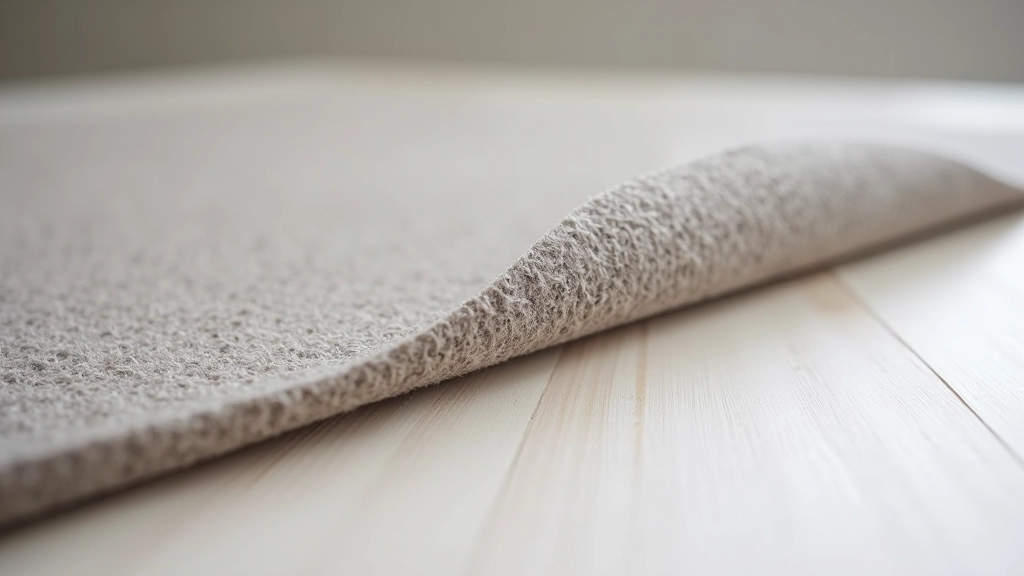
Felt sits right in the middle. It's thicker and more durable than foam, but cheaper than cork. It's made from compressed fibers and offers solid moisture protection — better than foam, though not as good as cork. Felt doesn't compress, and it lasts longer under heavy use.
The trade-off is installation. Felt is stiffer, so it's slightly trickier to roll out and position. If you're doing this yourself, you'll notice the difference. But once it's down, it stays put. No shifting, no settling.
Felt works well in medium-traffic areas and in homes where you want better protection than foam without the cork price tag. It's what we'd recommend for most kitchens and bathrooms.
This article provides informational guidance on underlay selection for laminate flooring. Specific product recommendations, pricing, and performance can vary based on regional availability, climate conditions, and individual subfloor characteristics. Always check your laminate manufacturer's warranty requirements regarding underlay specifications — some manufacturers require specific underlay types or R-values. Installation techniques and best practices may differ by region and local building codes. This content is educational in nature and doesn't replace professional consultation for complex flooring situations.
Here's the simple version: if you're on a tight budget and installing in a dry room, foam works. If you're installing in a kitchen, bathroom, or basement, go with felt or cork. If you want the best possible floor and you've got the budget, cork is your answer.
The cost difference between underlay types is small compared to the cost of replacing damaged laminate flooring. Spend a bit more on underlay now, and you'll save yourself headache and money down the road. Your floor will feel better, sound better, and last longer. That's worth it.

Editorial Team
Written by the nordipoint editorial team, focused on practical, honest guidance for laminate flooring installation and material selection.
How the locking mechanism works, what to look for when buying, and why it matters for installation.

Essential tools you'll need, how to prepare your subfloor, and common mistakes people make.
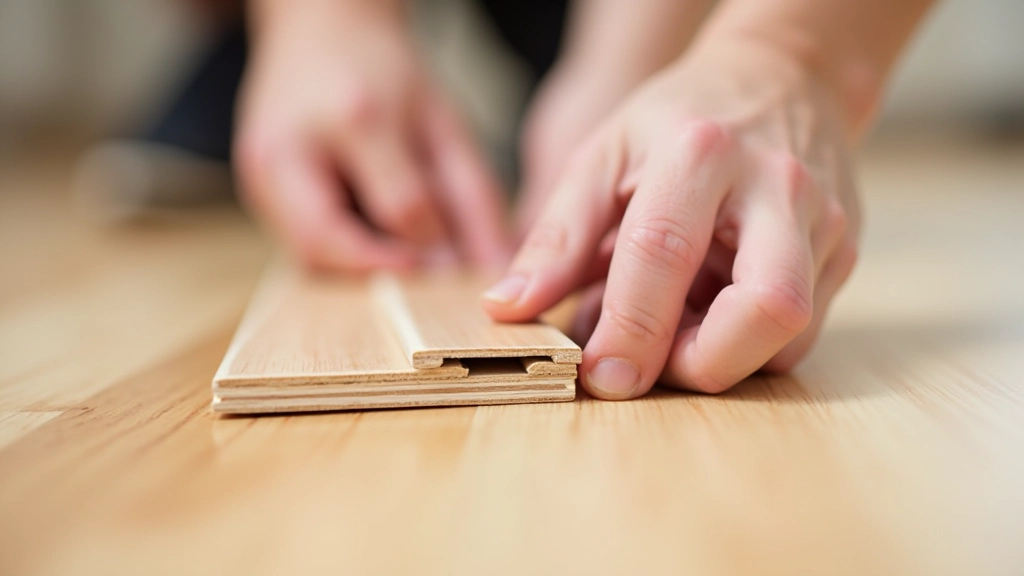
Row by row breakdown from your first plank to finishing touches. Includes spacing and troubleshooting.